Intersectional employment support for racialized job seekers with disabilities
Webinars
1257
Description
This webinar explored the experiences of racialized disabled workers within employment support systems, drawing on findings from a scoping review and qualitative study. Using an intersectionality framework, the session examined systemic barriers, identified the supports that promote employment success, and highlighted gaps within current service provision.
Transcript
Transcript
opens in a new tab
Webinar transcript_2025January14.txt
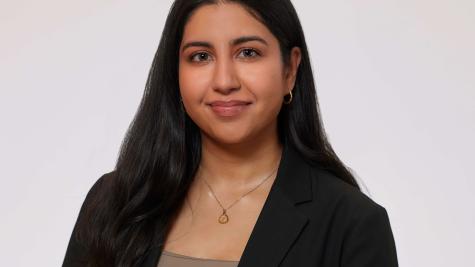
Hello everyone. Um I hope can hear me. Uh good morning, good afternoon or good evening to you all wherever you are at this moment. Uh welcome to our second session of the idea early career research stroke. My name is Ananaga Ahmed. Um call me Ansha. I am a post-docctoral researcher based at Queens University Canada supporting the IBS incubator hops three that focus on transition to work and career development. I am a researcher in disability inclusive mentorship for transition to work and career advancement of persons with disability. I am also interested in the recurrent work in career advancement of injured or seek workers with acquired disabilities. Thank you for joining us today in our first session of the 2026 IDEA early career researcher talks. Today's topic is on navigating resilience supporting racialized job seekers with disabilities through intersectional employment approach.
Ian Greywell, our speaker for today, will guide us to engage in critical thinking about intersectional employment approaches to support racialized job seekers with disabilities and um how to address their needs in employment. uh as emerging scholars. Um this is an opportunity for all of us to reflect on how our u methodological approach um ground in intersectional uh framework shape the knowledge we produce and the service we provide to improve the employment outcomes of multicultural workforce. uh our speaker EAM completed her uh masters in rehabitation science at McMaster University with a research topic of understanding the intersecting identities of race and disability in the context of employment. She is a researcher in idea under hu focusing on employment support systems. Um EAN is an emerging scholar and passionate a passionate young researcher. She is here with us today to share her learnings and guide us to think critically in our research practice and improve the implement outcomes of rationalized persons with disabilities. Um just for all of our audiences after our speakers uh talk we will move into discussion uh session guided by questions I'm hoping to receive from you all. You can forward them through uh using the Q&A function. I will address them as the presentation flows. And uh throughout the presentation, I encourage you all to consider where the intersectional identity appears in your own work and how it might influence our evidence and practice to improve the employment outcomes of persons with disability. Eka, thank you for joining us to speak in our today's open for you.
Yeah, thank you. Um, thank you everyone for this opportunity to present at the early career research talk webinars. Um, I'm really grateful for this opportunity to share my work with such a thoughtful engaged audience, particularly one that is focused on early stage researchers and emerging scholarship um, in this area. Um, thank you as well for that really great bio. Um, just to reiterate, I've completed my master's degree in rehab science under the supervision of um, Dr. Rebecca Gwartz. I'm affiliated with IDEA as a student researcher and my work is really grounded in interdisciplinary thinking drawing from rehab science, disability studies, and social policy. And throughout my training, I've been particularly interested in understanding how systems rather than individuals shape employment outcomes.
I'd also like to thank um my institution McMaster University um idea and our funders through New Frontier Sherk and the government of Canada. Without the funding and their support, this work would have not been possible. Research in this area requires time, relationship building, and deep engagement with the communities. And that kind of work depends heavily on sustained funding and support. So, a bit of um an agenda. So, I'm going to go over some key background information to set the stage, go over the two-part study that I did, starting with the scoping review, followed with the qualitative study, and then lastly go over some takeaway messages and next steps, and hopefully we have some time for some Q&A from the audience.
So, as of right now, employment supports exist to help address unemployment among disabled individuals. Um and these services and resources are designed to assist people in finding, obtaining, and maintaining employment um by trying to bridge the gap from unemployment to employment. These supports can take many forms. Um they often include vocational rehabilitation programs, employment counseling, job placement services, wage subsidies, and workplace accommodations. In theory, these systems are intended to level the playing field by addressing barriers related to disability, ensuring that disabled individuals have access to meaningful work opportunities. However, in the presence of these systems, statistics still reveal a big persistent gap. Currently, only roughly 65% of disabled workers are employed. This indicates that a significant portion of the disabled population still faces challenges in securing and maintaining employment.
These challenges are not simply about individual skill or motivation. Instead, they really reflect a broader structural issue such as inaccessible workplaces, inflexible job design, limited employer knowledge and ongoing stigma surrounding disability. The situation becomes even more worrisome when we examine the intersection of race and disability. For racialized disabled individuals, the unemployment is actually quite notably higher with roughly around 50% currently being unemployed. The statistic highlights that compounded barriers um that these individuals face uh are not just general challenges of disability and inaccessible workplaces but also include additional hurdles related to racial discrimination, systemic racism and exclusion within labor markets. So despite these compound barriers um that we see in the research um racialized disabled workers were often discussed either through a disability lens or a race lens, but rarely through both at the same time. And as a result, their experiences tend to be flattened or overlooked entirely within employment research and policy discussions.
So this is really where my work comes in. So there's very little research that examines the intersection of race and disability in relation to both gaining and retaining employment. Um this gap and knowledge means that many of the unique barriers faced by these workers remain unrust in policy practice and service provision. Um much of the existing literature what we found was focused on disability broadly. Um often assuming a homogeneous group or it focuses on racialized workers without attending to disability related barriers. When research does not explicitly examine the intersection of these identities, it risks producing solutions that work for some groups while leaving others behind. By exploring current employment support systems and examining the social and organizational factors that influence them, we can really begin to uncover the challenges experienced not only by the workers themselves, but by also employers and service providers who are trying to support equitable employment outcomes. Um, again, it's really important to emphasize that service providers and employers are often working within constrained systems. Many want to do better, but they really lack the proper training resources or policy guidance needed to support complex intersecting identities. So, understanding these dynamics are really critical for designing supports and interventions that are truly inclusive and effective rather than a one-sizefits-all approach that fails to account for lived realities.
Um so a lot of my work or most of my work actually is grounded through this the um theoretical framework. So to help us understand the experiences of racialized disabled workers, we use the intersectionality framework. This was originally um introduced by Kimberly Krenshaw in 1991. Um, so intersectionality really helps us see how multiple aspects of a person's identity can intersect to shape their experiences in complex ways. So rather than viewing identity categories as separate or additive, um, intersectionality really emphasizes that these identities interact simultaneously and cannot be managed separately. So in this framework, there are really three key principles to keep in mind. First off, individuals can hold multiple identities that can intersect. For example, someone can be both racialized and disabled, and each of these um identities influence their experiences in the workplace. These identities are not experienced one at a time. They're lived together, shaping how individuals are perceived and treated. Second, each identity carries dynamics of power or oppression. Um this means that discrimination or barriers are not experienced in isolation but can compound depending on which identities are present. So a racialized disabled worker may encounter barriers that are qualitatively different from those faced by white disabled workers or non-disabled racialized workers. Third, identities are shaped by socioultural context and can change over time as it progresses. While identities are personal, they are socially constructed. So this means that barriers and supports that individuals encounter are largely influenced by societal systems, organizational norms, and policy environments, all of which can evolve over time. So using intersectionality really allows us to examine employment support systems in a way that recognizes these overlapping dynamics rather than treating race and disabilities as separate or isolated factors. It is the lens through which we analyze the challenges and opportunities for workers, employers and service providers. Um I also used a theoretical model. So the social model of disability is widely used by researchers and it positions disability as a result of societal barriers and attitudes rather than an individual's physical or mental impairment. It emphasizes that disability arises from the intersection between people with impairments and the environment that fails to accommodate their needs. So this model really shifts responsibility away from the individual. It's where the system organization and that policy. So in the context of my work um in the context of employment this means that asking how workplacer workplaces hiring practices um productivity expectations and support services create or really reduce disability related barriers when combined with an intersectional lens. The social model helps us understand how race disability and structural inequities really interact to shape employment outcomes.
So that is a lot of the background as to why we really did this work and how this research is grounded in. Um so what did we actually do? So um this is all work related to my master's program. So first off we conducted a scoping review where we were re reviewed existing literature on race and disability within employment supports. Next, we did a qualitative study where we performed key informant interviews um to talk about the experiences of employers, service providers, and racialized disabled job seekers to understand their experiences within the Canadian context.
So, first I want to really dig deeper into the scoping review that we conducted. Um in that scoping review, we really found three key thematic themes that we organized them into. So first we have the impact of um race and disability. Um this really focuses on well-being, employment outcomes and stereotyping. Next we have um vocational services that promote employment success. So how um which employment supports really gain and help retain sustainable employment and lastly some action needed and recommendation. So additional training and how we can capitalize on social capital. So um theme one again the impact of race and disability as a whole. Research indicated that race and the dis disability intersect to influence access to and outcomes within um employment support programs. So key findings included lower acceptance rates for racialized clients. racialized disabled workers were less likely to be accepted into um vocational rehab programs compared to their white peers which immediately uh limits their access to employment supports. There are also disparities in service access and investment. So what we saw through the scoping review finds was that white disabled workers tend to access VR interventions for longer periods of times and studies show that the per person spending is significantly higher for white clients than they are for racialized clients. Differences in intervention length and funding contribute to variations in employment outcomes and earnings. Um differences in training and support opportunities also emerged. So, white workers were more likely to receive college level training or on the job support, providing them with greater pathways to sustainable program. Racialized disabled workers also had lower probabilities of successful program exit. They were less likely to successfully complete the employment program or transition into competitive employment. There was also variation in employment type that they received. So while disabled workers were more often employed in community- based roles such as banks or office settings, racialized disabled workers on the other hand were disproportionately placed in facility based or labor intensive positions such as warehouses. Also what we saw was earning disparities existed. racialized clients earned lower hourly wages and often worked longer hours to reach comparable income levels. Despite working more hours per week, their overall weekly earnings still remained lower to their white counterparts. Overall, together, these findings really highlighted the systemic in inequities of how race and disability intersect to shape employment trajectories, access to employment resources, and then lastly, financial outcomes.
Um our next theme were services that we saw that really helped promote employment success within the client um that were shown to promote um again employment outcomes that were much better um for disabled workers. So across the literature as a whole employment success is really rarely the result of a single intervention. Instead, it emerges from a coordinated set of supports that address both workplace specific barriers as well as broader life circumstances. Importantly, these supports are more effective when they're flexible, responsive, and sustained over the time rather than a short-time or transactional period. So, my research really highlighted several key areas of support that helped them. First, we saw employment counseling play a really big critical role. Personalized employment counseling really helped workers identify their career goals, strengths, and interests while also navigating the barriers that they may face. For racialized disabled workers, um this counseling was particularly important because it can provide a space to discuss experience of discrimination, accommodation challenges, and identity related concerns that may not be acknowledged elsewhere. Effective counseling also just goes beyond resume review and focuses on really on long-term career development and empowerment. Second off, we have assistive technology as a foundational support providing access to appropriate tech and workplace accommodations really enables workers to perform job tasks effectively and reduce barriers that might otherwise prevent success. This can include screen readers, adapted software, ergonomic equipment, or modified communication tools. However, the literature also highlighted that access to this tech is often uneven with racialized disabled workers facing delays, denials, or insufficient funding, which really highlights the importance of equitable access rather than nominal availability.
Um thirdly, we saw diagnostic and treatment services were essential. Timely access to medical, psychological or therapeutic services can really address health rellated barriers that might otherwise impede employment. These services are particularly important for individuals whose convictions can fluctuate or require ongoing management as they continue working. When these supports are absent or delayed, workers may be unfairly labeled as unreliable or motivated rather than being recognized as individuals navigating complex health needs. And this can really set the narrative in a negative direction.
Fourthly, we saw job search assistance is a key component for employment support. Services such as resume� building, interview prep, and career counseling really helps job seekers connect with opportunities that align with their skills and aspirations. For racialized disabled workers, this assistant can really include navigating disclosure decisions, preparing for biased interview questions, and identifying employers as exclusive practices. We saw that without this targeted support, many job seekers are filtered out early in the hiring process.
Fifth, we have job placement services. This is also really crucial for bridging the gap between job readiness and actual employment. These services involve actively matching candidates to suitable positions, advocating with employers, and supporting onboarding processes. The literature suggested that placement services are most effective when they prioritize job quality and fit rather than rapid placement into any available role. This distinction is really especially important given evidence that racialized disabled workers are disproportionately placed into low-wage labor intensive positions. Um we also see on the job supports are vital once employment is secured. Um support shouldn't be stopped once the job is maintained. These supports really include workplace monitoring, job coaching, regular check-ins, and assistance with accommodation implementation. On the job supports recognize that employment success does not end at hiring. Um, so instead, sustained engagement is necessary to support adaptation, performance, and retention. Without these supports, workers may cycle through short-term employment without long-term stability.
And lastly, we see wraparound supports play a really crucial role in maintaining employment. These comprehensive services address personal and structural needs such as transportation um issues, child care, housing stability, income support, and access to other benefits. The literature uh the literature consistently shows that employment outcomes are closely linked to those broader determinants of stability. for racialized disabled workers, gaps in wraparound supports can quickly undermine otherwise successful employment placements. Um, so taken all of these together, these supports can really create a network of resources that significantly increase the likelihood of successful and sustained um employment for disabled workers. However, the research also makes it clear that access to these supports are not equitable. racialized disabled workers are less likely to receive comprehensive, wellresourced and sustained support which contributes directly to persistent employment disparities.
Um so our third theme really looked at action needed and recommendations um emerging from this research. Our data highlighted several areas where targeted improvements could enhance employment outcomes for racialized disabled workers. First, we saw was cultural competency training emerged as a critical need within the service provider network. Without adequate training, um service providers may unintentionally overlook or misunderstands the ways in which race, disability, and other identities intersect. Cultural competency training may move beyond awareness and towards skill building, reflexivity and accountability. Second, um I mentioned earlier building social capital for job seekers is essential. Increasing access to professional networks, mentorship opportunities and employer connections can really significantly improve employment prospects. Social capital is one not only increases awareness of job opportunities but also influences how employers perceive and respond to candidates needs. Third is balanced case loads for service providers are necessary to ensure quality support. Um again while I've been talking to so many service providers as I did this work um service providers are managing excessive case loads and the depth and consistency of support inevitably really suffers for each client. So reducing case loads allows providers to engage more meaningful time with clients, tailor their interventions, and build trust over time. Fourth, employer outreach and education are crucial. Proactive engagement with employers can improve understanding of both disability and racial equity issues. Employer education initiatives can address misconceptions, reduce stigma, and promote inclusive hiring and retention practices. Overall, these four recommendations really point to the need for systemic changes in training, support structures, and employer engagement to improve the effectiveness of employment services for racialized disabled workers.
Um, so what does this actually even mean? So what did we find and what is really the meat of this project? It can be summarized across three interconnected areas. the need for intersectional support, service provider, training gaps, and broader systemic issues. So, in our study, we found clear evidence that racialized disabled job seekers experience layered um and intersecting barriers when navigating employment support systems. Many participants uh described how existing employment supports tend to be siloed. Disability focused programs often do not consider racial, cultural or immigration related factors while diversity or newcomer programs frequently fail to address accessibility or disability related needs. This disconnect really results in clients feeling unsupported or misunderstood. participants that were often required to explain their identities repeatedly or choose which part of themselves to prioritize in order to access services. Um, so these experiences of repetition can be exhausting and discouraging particularly when individuals are already navigating unemployment, health challenges or financial procarity. Service providers um also just overall want to do better. So many um acknowledge the limitation of training and the absence of practical guidance on how to integrate intersectionality into everyday practice. This points to overall limited resources, inconsistent funding, and the lack of organizational direction as barriers to providing more comprehensive support. Finally, at the system level, we identify um structural gaps that shape how services are delivered. This includes um overall fragmented um siloed programming as well as performance metrics that focus narrowly on job placement numbers rather than inclusion. And this is really where we saw a lack of qualitative and Canadian research um in related to job quality or worker empowerment initiatives. So together these factors really suggest that that the current system is not fully equipped to respond to the complex realities of racialized disabled job seekers.
Um, moving forward now, I'm going to really focus on to my next study, which was a qualitative study where we interviewed various different audiences, including service providers, employers, and racialized disabled workers. Um, and this is again like a big meat of my project. Um again here as well we did a thematic analysis and we sort of came up with big um five key themes. Uh I will go into each of them more in depth but to start off we have managing intersectional confusion, employer education, contextual barriers, client service provider relationships and urgency for solutions.
So, um, basically the way that I kind of did this PowerPoint was that each theme, um, has an accompanying, um, quotes that I pulled out from my interviews as well. Um, the everything is anonymous. So, again, like all of these names are pseudonyms of the actual person. Um, I did this to sort of just add more character and personality to these quotes to make um, the audience realize as well that these are real people going through these real issues. So on this slide we have Michael who is a racialized disabled worker. Um, and he highlights confusion and difficulty in managing and understanding how intersecting aspects of identity present significant challenges regarding obtaining employment. Um here in this quote, Michael really describes a p persistent sense of uncertainty. He's unsure rather the barriers he encounters are related to his disability, his race, or the intersection between the two. This confusion is simply not cognitive or emotional. It really has practical consequences. So when individuals cannot clearly identify the source of discrimination or exclusion, it becomes much harder to advocate for accommodations or to explain their needs to employers or to access appropriate employment supports. Um this experience reflects a broader structural issue. Employment supports are rarely designed to acknowledge intersectionality. Instead, they tend to categorize individuals into singular identity groups. As a result, racialized disabled workers were often forced to navigate fragmented systems that require them to separate aspects of themselves into order to receive support. Michael's experience is further compounded by the limited expertise and resources among service providers to support individuals who um face co-occurring identities. When service providers lack training and intersectionality, they might they may unintentionally minimize or misinterpret clients experiences and this places a burden of sensemaking on the individual rather than the system. Our second quote related to the theme is actually from a service provider Aisha who points to the compounding barriers faced by individuals who are both racialized and disabled. She highlights that beyond race and disability, many clients are also navigating poverty, housing instability or precarious immigration status. These factors overall interact in the ways that intensify disadvantage. Aisha's reflection reminds us is that intersectional confusion is not an individual failure to understand one's own experience. It's usually the predictable outcome of systems that are not built to respond to complexity.
Um next we have is employer education. This overall theme really shifts our focus from individual experiences to the role of employers. Um here we have a quote from Daniel from an employer perspective and he highlights a common workplace scenario. He describes an initial sense of frustration when onboarding a new employer uh employee who requires accommodations. Um, in this quote, importantly, Daniel does not deny this frustration. Instead, he emphasizes the importance of acknowledging it and addressing it constructively. His reflection demonstrates that employer attitudes are not fixed. With appropriate education, open dialogue, and support, employers can move from frustration toward understanding and collaboration. He highlights the value of communication, flexibility, and shared problem solving in creating inclusive work environments. In contrast to Aisha's quote who is a service provider, um this brings attention to deeper systemic issues. She really pointed to the ingrained abbleism entrenched within workplaces which shapes assumptions about productivity, competence, and reli reliability. These assumptions often disadvantage disabled workers, particularly when accommodations are viewed as burdens from rather than enablers. She also highlights the lack of awareness of racial dynamics in many workplaces. Racialized workers may face heightened scrutiny, fewer opportunities for leniency or differential treatment with when requesting um accommodations. So when both race and disability intersect, these dynamics can become particularly more pronounced. Together, these um perspectives really underscore the um intention of employer education to address both disability inclusion and racial equity. Training that focuses on accommodations alone is insufficient if it does not also confront implicit bias or structural racism.
Um next our slide is um regarding the theme um contextual barriers. So this slide represents perspectives from Alex and Claudia who are both service providers on the contextual barriers that shape employment experiences for racialized disabled individuals. Um so when we talk about contextual barriers, we're actually referring to the factors that exist outside of the individual. um but significantly influence how they are perceived, supported and treated within employment systems. So these barriers are often inivisible within traditional employment metrics, yet they play a central role and shaping outcomes. Alex's quote illustrates a prelevant issue of stereotyping in what he describes as pigeon holing. Um, pigeon holeing refers to the tendency to make assumptions without out an individual skills, interest, or suitability for certain types of work based on racial background rather than actual experience or aspiration. For example, racialized clients may be steered toward labor intensive, customer-f facing or low wage roles regardless of their education or professional background. Importantly, pigeon holing does not only occur at the employer level. It can also happen within employment support services themselves. Service providers often unintentionally may limit the range of opportunities they present to clients based on what they believe is realistic or achievable for them. While these decisions may be framed as pragmatic, they can reinforce existing labor market inequities and restrict upward mobility towards success successful employment. Alex's reflection highlights how these accommodations um and these assumptions become normalized within systems over time. They shape patterns of job placement that can disproportionately disadvantage racialized disabled workers and perpetuate occupational segregation. Next, Claudia's quote really introduces another layer of um contextual complexity. The clash between cultural norms and dominant Canadian work um expectations can really cause a frustrating environment. She describes situations where clients may arrive late to work or appointments due to cultural practices, caregiving responsibilities, transportation barriers, or health related needs. So in many workplaces these behaviors are inter um interpretated as lack of professionalism, commitment or work ethic. What is particularly important in her reflection is that her questioning of whether imposing dominant work norms is always appropriate or effective. She invites us to consider if inclusion should require full conformity or should workplaces themselves adapt to accommodate cultural and contextual diversity. From an intersectional perspective, these contextual barriers cannot be separated from race or disability. Racialized disabled workers were often referred to less flexibility, less benefit of the doubt, and fewer opportunities to explain or contextualize their experiences. As a result, behaviors that might be accommodated for other workers become grounds for exclusion or discipline. Together, Alex and Claudia's perspectives demonstrate that contextual barriers are deeply embedded how employment systems define competence, professionalism, and overall success.
Our fourth theme looks at client service provider relationships. This theme focuses on the relation dynamics between clients and service providers and how these relationships shape employment outcomes. Um Aisha's observation highlights the lack of racial diversity among employment support providers. She notes that many providers do not reflect the racial or cultural backgrounds of the clients they serve. Um this lack of representation really can create distance and communication, understanding and trust. And in a nowadays where we live in such diverse environments such as a GTA, this is really a necessary change that needs to happen where providers really match the environment that they serve. When clients do not see themselves reflected in the service providers, they can feel less comfortable disclosing experiences of racism, discrimination, or cultural conflict. They most may also feel pressure to downplay or avoid discussing race altogether, which limits the effectiveness of support. So rep representation alone is not really the solution. Um but it plays a really big important role in shaping institutional cultural. A lack of diversity among providers can signal whose knowledge and experiences are valued within the system and whose are marginalized. Um our next statement by Claudia really begs attention to another structural issue that shapes client provider relationships which are high case loads. This big theme also came up in my scoping review as well where many caseworkers are responsible for supporting large numbers of clients simultaneously often within limited time and resources. High case loads restrict the ability of a service provider to build meaningful relationships. Um engage in reflective practice or tailor supports to individual needs. Instead of interactions may become transactional, focused on meeting admin needs rather than addressing deeper barriers. This strain really affects both client and provider. Clients may feel unheard or rushed while providers may experience burnout, frustration, or moral distress. This is really a two-way street and ultimately the quality of support suffers even when providers are highly committed to their work and their clients.
Lastly, um, we have an urgency for solutions. So, this slide really features a powerful quote from Michael, who is a racialized disabled worker. He says, "We are in a crisis right now. I don't need a solution years from now. I need a solution right now." Michael's statement really captured a sense of urgency that was echoed throughout the data as a whole. For many participants, um, employment really wasn't simply about career progression or job satisfaction. It was directly directly related to income security, housing stability, access to healthcare, and personal dignity. The urgency highlighted that consequences of slowmoving policy reform. Um, and then when systems can take years to respond, individuals are left navigating immediate crises without adequate support. Delays in funding, training, or program redesign have real life consequences and often devastating impacts on people's lives. Participants emphasize the need for immediate tangible action. This includes increased funding for employment supports, faster access to accommodations, targeted employing, and stronger accountability mechanisms to ensure that commitments lead to meaningful change. Michael's quote serves as a reminder that urgency should not be dismissed as impatience. It is a rational response to prolonged system systemic neglect.
Um that was a load of information um and a load of um really deep and personal um sort of direct statements that I was able to get from the interviews that we connect um conducted. But what are some recommendations that we can take from this work? Um, so based on our findings, we developed three key recommendations to strengthen employment supports for racialized disabled workers. First is creating flexible and personalized supports. Our research showed that a standardized one-sizefitsall employment programs are insufficient. Racialized disabled workers face layered and intersecting barriers. So supports must be adaptable to the unique circumstances. This could include flexible scheduling for appointments, culturally relevant job placements that consider the worker's background, language or culture needs, access to adaptive tech and resources, additional advocacy support for navigating discrimination or bias in hiring. Um so by creating these flexible programs, employment supports um and systems can meet workers where they are rather than expecting workers to conform to their rigid and standardized pathways. Second we have is enhanced service provider training and capacity building. Our data um as a whole through our scoping review and our qualitative study highlighted gaps in knowledge awareness and practical skills among service providers. So training should really extend beyond basic disability awareness and include intersectional approaches that integrate anti-racism, disability inclusion and trauma-informed care. guidance on navigating complex client cases where multiple barriers and case loads intersect and ongoing professional development opportunities and access to shared past best practices. End goal is that training needs to be sustained and supported by key leadership. Um leadership plays a really big role here. So short-term workshop alones will not create lasting change. Service providers must also have the resources and organizational support to implement what they learn in practice and in real life. Third, policy reform um to embed intersectionality in employment support system. So system level changes are essential for sustainable impact. And this can really seem far-fetched but are still very tangible. So funding models that reward inclusive and culturally responsive practices, mandatory data collection that disagregates by race, disability, and under intersecting identities to monitor outcomes. While we were doing this research particularly for a scoping review, we realized how unagregated all this data is and how their um uh reporting mechanisms were quite outdated according to new standards of race and disability. And then also keeping in alignment with with legislation that has been passed through the Accessible Canada Act and Employment Equity Act, ensuring that policies proactively address systemic barriers rather than just compliance. So together, these recommendations can really emphasize real progress that requires both frontline transformation and systemic accountability.
Um to really bring it all together, what are some key takeaways and key messages? So to summarize there are four key messages that I want to take I want everyone to take away from this research. First is developing inclusive policy framework. So for example, organizations um can implement comprehensive accessibility policies that cover physical, digital and procedal access, but these polic policies should be developed by cross functional teams that include disability advocates, AR professionals, and representatives from racialized communities. So regular audits and employee feedback ensure that policies evolve in response to lived experiences. Also, organizations can consider employing um SCES coaches who specialize in supporting racialized disabled workers. These coaches provide um tailored guidance, help navigate complex employment systems, and ensure that workers needs are addressed in real time. Continuous professional development for these coaches is essential to keep up with best practices. Also, feedback and continuous improvement. Um, regular employee feedback mechanism such as um, focus groups, particularly in other forms of research, anonymous forms, or one-on-one check-ins are crucial. The key is just not collecting feedback, but demonstrating that this informs action. Workers need to see that their input leads to tangible improvements in support, policy, or accommodations. And then lastly, we have um cross agency collaboration. So partnerships between employers, community organizations, and advocacy groups can really strengthen employment supports by sharing expertise, resources, and organization networks. These collaborations can create more comprehensive solutions and bridge gaps that single organizations cannot address alone. So in closing, um thank you so much for spending this past hour with me. This research really highlights a critical insight which is racialized disabled workers are not failing employment systems. Rather, employment systems are failing to meet their complex realities. Addressing this requires moving beyond a single issue solution. We really need to adopt intersectional approaches that recognize the interplay of race, disability, and broader socioeconomic factors. It requires a flexible, responsive, and personalized supports combined with systemic accountability and policy reform. Um, I thank you for your time and attention and bearing with me. I'm actually coming through a cold, which is why I had to wipe my nose frequently and I might my voice might sound heavier, but I look forward to engaging in discussion and answering your questions following this and hearing your perspectives on how we can collectively create more equitable, inclusive employment systems for racialized disabled workers. I've also attached a QR code which will lead you to my LinkedIn page. Um, if you want to do any collaboration or provide me with your perspectives and inputs and your personal experiences, please DM me there. I really want to create a broad network where I can share this research and really have a lot of people on board who value this type of research and want to see this um, come more forward. Um, thank you everyone and I welcome any questions now.
Thank you Eka. Thank you so much. That was really very critical and I would say that you are a curious researcher. Thank you very much for bringing that important topic into this platform. You effectively delved and unpacked this critical topic um you know about disability inclusion and racial equity which is very important. Um and and I would like to open up the discussion session for everyone. I'm not I don't see any question on the Q&A. I might you can give you u a minute for audiences if you have any any question that you would like more clarification um any conclusion that you would like come to clarify or open up a discussion session. Until then I I will leave it open. I will expect I expect some some questions from audiences. If not, I am going to give you uh uh one uh question from my own um point that um you have u in your research and as it indicates in your presentation title uh resilience is essential and um my question related to this is what does revealance mean in this context? um particularly looking into the um disability inclusion in employment context and Russia PPT uh how can the employment system support resilience without placing any burden uh on the individual um can you say something around so that we can open that session?
Yeah. So um navigating resilience really means um breaking stereotypes and norms um like I mentioned um in the work that I presented specifically towards the qualitative study there's a lot of mention in terms of baked in ableism whiteness and pigeon holing so navigating resilience really means is how to break those barriers and how to break those stereotypes to really showcase the value that you put forward um in any which way. I think um I think really value um based hiring is a lost art form. Um I think especially with this new uptake in terms of hiring practices regarding AI and computerization again it really um pigeon holes someone into a box that they really can't get out of. So navigating resilience really means how do I jump out of that box and break that um sort of barrier that is not noticeable to a lot of people but can be noticeable to a lot of people who do um have these intersectional identities regarding race, disability, gender, um income status, education status, what so forth. So again, that term navigating resilience really means um how do I break that mold that societyy's putting me into and how do I show the value that I put forward um across different organizations.
Interesting. We have received some um some questions from our participants and one is um a question um that will your research be or data be available publicly? So this this uh Michael uh is interested to get some more data on migrants with disabilities and employment. you might speak a little bit how does that uh apply later but another anonymous uh participant what type of employment service providers were consulted in your research uh maybe to make it more um clear for them um and uh together I think in your opinion which is Michael again um asked um in your opinion which is a better organizational background to provide support so who did you cons like where um approaching your research and which organizations are important to provide this support for immigrant with disabilities and is the point that Michael raised. So might address this point and then we go to the next question.
Yeah. So um I see someone typing an answer for Michael's question but I can reiterate is that um my research and data is publicly available through the idea website. I think Rael is typing an answer to that. So if you can add the link as well to um the idea website where my research um um publications are linked as well. So we have my two publications on that website as well as a infographic that I made to sort of do a quick summary that can be shared among socials. So please like dig deeper into that and dig deeper into the references that I included with those in those publications to give you a better sense of the type of data that I worked with. Um and again like even for my qualitative study I have all of my um extra information attached. So like um the people that I consulted with my methodology um how I did everything my exclusion inclusion criteria as well as my interview questions. So all of that will be um or is available on the idea website and hopefully Raala can attach the link to that. Um in terms of the next question about what type of employment server pro providers were consulted. So this was a um nationwide call. So there was no particular area um or location that I focused on. I sort of shared my um call out to this research among socials and in our in our own um network that ideas associated with as well as um the affiliates that my supervisor Rebecca Gwartz knew. So there were no um sort of requirements in terms of inclusion about um specific types of employment service providers were consulted. I can't really call out um specific agencies as well that I consulted with because it's all anonymized but they were people from big organizations that are known throughout um Canada in terms of providing these employment supports.
Um, another question from Michael in terms of um, what would be my opinion in terms of the better organization to provide support for immigrants with disabilities?
I would say um, I would say settlement agencies um, that have employment programs. I think they are probably the best um to the best um organization to work with. I I know within the idea network um Ray Hana she is a um leader of a network called um race I believe and their acronym is also for their program idea. um and she's doing really great work and a lot of her um work again is related to the type of work that I'm doing and she really has a big focus on employment programs and immigration and newcomers as well. So, I think um settlement agencies that have a big focus on employment programs and have a specific stream for employment supports are probably the best bet um for immigrants and newcomers with disabilities who come into Canada in terms of gaining access to that type of support.
Interesting. Thank you, EAM. Um I I think I'm going to summarize the last question uh together but uh one other person uh other participant mentioned that did you identify and speak with employment service providers um the information whom you speak with I think and uh did they include some information with their answers differ from more monstring providers uh did you make that comparison I think that's that's their their point Yeah.
So, um the providers that I focused on were mainstream and they were particularly focused on disability. Um, one of the providers that I was able to talk to actually works with an organization that just newly built a stream to really focus on um, racialization and disability, but a lot of them were mainstream in terms of a primary focus for um, the disabled population, which just reinforces the gap that persist is that we have these amazing supports that silos disability programs, but where are the other um, sort of intersectional traits like th those who are left behind. So, um again, just to reiterate, a lot of them were mainstream for the disabled population, but I did talk to a couple people from an organization who are up and comingingly um started focusing on race and disability together as a whole. Um again, I can't provide specific names of what those organizations were due to anonymous reasons of the um interviews that I had to take, but um hopefully that provides a better answer to that question.
Um but yeah nice from um thank you from Veronica. Um the two questions I think were you able to from the interview that you you you did in your qualitative study I think that were you able to break down the racialized groups or need to black indigenous um job seekers with disabilities. Were you able to classify by like cross disability community? So can you speak a little bit about about the nature of your participant in that?
Yeah. So um actually this is a really interesting point. So when I did my scoping review um what we realized was that a all the literature really exists in the states um and through their um reporting mechanisms and the reporting mechanisms especially regarding race are quite outdated. outdated in the sense that they group basically the entire Asian population under the category called Asian which I think is completely wrong um considering that we are in 2026. Um so when I did my scoping review we really we were really um restricted in terms of what the literature was providing us with the type of um racial terminization that they used. But when I did my own qualitative study, I had sent a pre-screening questionnaire out to all of my participants where they had to write down um what race they recognize as where I provided a drop- down list of a comprehensive list and also as well I did the same one in terms of self-disclosing the disability that they are um experiencing. Again, um there was a drop down list, but they could also just write it down free form. So that questionnaire R was um created and we did um um have that information. So again that information can be found more in detail within the publications that I um wrote about um which can be found in the idea website to reiterate. Um hopefully that answers your question.
Interesting one one I think uh we might take it as a final concluding question. what is your final like your top question that came after you conduct this research maybe what's next in your in your work in this topic?
Um that's a great question so um our the next part is that I'm already kind of working on with ID and with Rebecca is creating workshops um we've actually successfully kind of did a workshop um through Odin which is a um employment support provider network Um and I think that went really well where we were able to have some collaboration between the two. Um from that workshop I was actually able to get in contact with people from case as well um through their um um coordinators in terms of creating some modules that um case can use within their own website in collaboration with us. So there's a lot of interesting work happening. A lot of people are super interested. So I think it's really just finding that time out and connecting with the right people in terms of getting the knowledge translation part um kind of running. Right now we have such good data but really it's empty without having that KT part. So now our really our big focus is on um creating those workshops, creating educational materials that can be shared amongst employer and provider networks to really bring this research forward and to create sort of an actionable list where um people can learn and share these resources.
Do you have any top questions that you would like further research like to suggest for future researchers?
Yeah. So, actually a lot of um people have come up to me and said like, "Hey, like I know you did um a focus on race and disability, but what's next? There's so many other um um traits, intersectional traits as well as socioeconomic factors that you can look into, especially regarding gender. Um so again, like there's so much depth and breath that can happen um just regarding this research. So I think our next step would again just be digging deeper into um the other intersectional traits that um I wasn't able to dive deeper into but kind of glanced at through the work that I conducted. T
hank you. Um thank you eam. Thank you everyone for your active engagement with thoughtful questions that help us to advance our uh discussion here. And as we continue uh our own in our own scholarly engagement, I would like to invite you all to continuously pause and reflect on our own work uh what intersectional identities might affect my work in research or practice and how can I make my research and practice more inclusive not just at superficial level of accommodation but uh EAM is calling for she's advocating more for thoughtful um reflection to see the intersectional identities that might affect our evidence and practice. Let's continue our develop in our own seminar teaching collaborative works or everyday practice in disability inclusion. Thank you again for our speaker for your scholarly critical engagement and to all of you for your active participation and that makes our time very interactive and we have feedback mechanism about this uh webinar. um a survey will be will come to your stage as you as you go through exit from the webinar and uh if you are interested in our future talks um learn more from my website. Thank you all for letting us um for giving us your time and let's continue to learn each other and grow our community and I would like to close this webinar with a big thank you for everyone who are in this stage. Thank you.
Ian Greywell, our speaker for today, will guide us to engage in critical thinking about intersectional employment approaches to support racialized job seekers with disabilities and um how to address their needs in employment. uh as emerging scholars. Um this is an opportunity for all of us to reflect on how our u methodological approach um ground in intersectional uh framework shape the knowledge we produce and the service we provide to improve the employment outcomes of multicultural workforce. uh our speaker EAM completed her uh masters in rehabitation science at McMaster University with a research topic of understanding the intersecting identities of race and disability in the context of employment. She is a researcher in idea under hu focusing on employment support systems. Um EAN is an emerging scholar and passionate a passionate young researcher. She is here with us today to share her learnings and guide us to think critically in our research practice and improve the implement outcomes of rationalized persons with disabilities. Um just for all of our audiences after our speakers uh talk we will move into discussion uh session guided by questions I'm hoping to receive from you all. You can forward them through uh using the Q&A function. I will address them as the presentation flows. And uh throughout the presentation, I encourage you all to consider where the intersectional identity appears in your own work and how it might influence our evidence and practice to improve the employment outcomes of persons with disability. Eka, thank you for joining us to speak in our today's open for you.
Yeah, thank you. Um, thank you everyone for this opportunity to present at the early career research talk webinars. Um, I'm really grateful for this opportunity to share my work with such a thoughtful engaged audience, particularly one that is focused on early stage researchers and emerging scholarship um, in this area. Um, thank you as well for that really great bio. Um, just to reiterate, I've completed my master's degree in rehab science under the supervision of um, Dr. Rebecca Gwartz. I'm affiliated with IDEA as a student researcher and my work is really grounded in interdisciplinary thinking drawing from rehab science, disability studies, and social policy. And throughout my training, I've been particularly interested in understanding how systems rather than individuals shape employment outcomes.
I'd also like to thank um my institution McMaster University um idea and our funders through New Frontier Sherk and the government of Canada. Without the funding and their support, this work would have not been possible. Research in this area requires time, relationship building, and deep engagement with the communities. And that kind of work depends heavily on sustained funding and support. So, a bit of um an agenda. So, I'm going to go over some key background information to set the stage, go over the two-part study that I did, starting with the scoping review, followed with the qualitative study, and then lastly go over some takeaway messages and next steps, and hopefully we have some time for some Q&A from the audience.
So, as of right now, employment supports exist to help address unemployment among disabled individuals. Um and these services and resources are designed to assist people in finding, obtaining, and maintaining employment um by trying to bridge the gap from unemployment to employment. These supports can take many forms. Um they often include vocational rehabilitation programs, employment counseling, job placement services, wage subsidies, and workplace accommodations. In theory, these systems are intended to level the playing field by addressing barriers related to disability, ensuring that disabled individuals have access to meaningful work opportunities. However, in the presence of these systems, statistics still reveal a big persistent gap. Currently, only roughly 65% of disabled workers are employed. This indicates that a significant portion of the disabled population still faces challenges in securing and maintaining employment.
These challenges are not simply about individual skill or motivation. Instead, they really reflect a broader structural issue such as inaccessible workplaces, inflexible job design, limited employer knowledge and ongoing stigma surrounding disability. The situation becomes even more worrisome when we examine the intersection of race and disability. For racialized disabled individuals, the unemployment is actually quite notably higher with roughly around 50% currently being unemployed. The statistic highlights that compounded barriers um that these individuals face uh are not just general challenges of disability and inaccessible workplaces but also include additional hurdles related to racial discrimination, systemic racism and exclusion within labor markets. So despite these compound barriers um that we see in the research um racialized disabled workers were often discussed either through a disability lens or a race lens, but rarely through both at the same time. And as a result, their experiences tend to be flattened or overlooked entirely within employment research and policy discussions.
So this is really where my work comes in. So there's very little research that examines the intersection of race and disability in relation to both gaining and retaining employment. Um this gap and knowledge means that many of the unique barriers faced by these workers remain unrust in policy practice and service provision. Um much of the existing literature what we found was focused on disability broadly. Um often assuming a homogeneous group or it focuses on racialized workers without attending to disability related barriers. When research does not explicitly examine the intersection of these identities, it risks producing solutions that work for some groups while leaving others behind. By exploring current employment support systems and examining the social and organizational factors that influence them, we can really begin to uncover the challenges experienced not only by the workers themselves, but by also employers and service providers who are trying to support equitable employment outcomes. Um, again, it's really important to emphasize that service providers and employers are often working within constrained systems. Many want to do better, but they really lack the proper training resources or policy guidance needed to support complex intersecting identities. So, understanding these dynamics are really critical for designing supports and interventions that are truly inclusive and effective rather than a one-sizefits-all approach that fails to account for lived realities.
Um so a lot of my work or most of my work actually is grounded through this the um theoretical framework. So to help us understand the experiences of racialized disabled workers, we use the intersectionality framework. This was originally um introduced by Kimberly Krenshaw in 1991. Um, so intersectionality really helps us see how multiple aspects of a person's identity can intersect to shape their experiences in complex ways. So rather than viewing identity categories as separate or additive, um, intersectionality really emphasizes that these identities interact simultaneously and cannot be managed separately. So in this framework, there are really three key principles to keep in mind. First off, individuals can hold multiple identities that can intersect. For example, someone can be both racialized and disabled, and each of these um identities influence their experiences in the workplace. These identities are not experienced one at a time. They're lived together, shaping how individuals are perceived and treated. Second, each identity carries dynamics of power or oppression. Um this means that discrimination or barriers are not experienced in isolation but can compound depending on which identities are present. So a racialized disabled worker may encounter barriers that are qualitatively different from those faced by white disabled workers or non-disabled racialized workers. Third, identities are shaped by socioultural context and can change over time as it progresses. While identities are personal, they are socially constructed. So this means that barriers and supports that individuals encounter are largely influenced by societal systems, organizational norms, and policy environments, all of which can evolve over time. So using intersectionality really allows us to examine employment support systems in a way that recognizes these overlapping dynamics rather than treating race and disabilities as separate or isolated factors. It is the lens through which we analyze the challenges and opportunities for workers, employers and service providers. Um I also used a theoretical model. So the social model of disability is widely used by researchers and it positions disability as a result of societal barriers and attitudes rather than an individual's physical or mental impairment. It emphasizes that disability arises from the intersection between people with impairments and the environment that fails to accommodate their needs. So this model really shifts responsibility away from the individual. It's where the system organization and that policy. So in the context of my work um in the context of employment this means that asking how workplacer workplaces hiring practices um productivity expectations and support services create or really reduce disability related barriers when combined with an intersectional lens. The social model helps us understand how race disability and structural inequities really interact to shape employment outcomes.
So that is a lot of the background as to why we really did this work and how this research is grounded in. Um so what did we actually do? So um this is all work related to my master's program. So first off we conducted a scoping review where we were re reviewed existing literature on race and disability within employment supports. Next, we did a qualitative study where we performed key informant interviews um to talk about the experiences of employers, service providers, and racialized disabled job seekers to understand their experiences within the Canadian context.
So, first I want to really dig deeper into the scoping review that we conducted. Um in that scoping review, we really found three key thematic themes that we organized them into. So first we have the impact of um race and disability. Um this really focuses on well-being, employment outcomes and stereotyping. Next we have um vocational services that promote employment success. So how um which employment supports really gain and help retain sustainable employment and lastly some action needed and recommendation. So additional training and how we can capitalize on social capital. So um theme one again the impact of race and disability as a whole. Research indicated that race and the dis disability intersect to influence access to and outcomes within um employment support programs. So key findings included lower acceptance rates for racialized clients. racialized disabled workers were less likely to be accepted into um vocational rehab programs compared to their white peers which immediately uh limits their access to employment supports. There are also disparities in service access and investment. So what we saw through the scoping review finds was that white disabled workers tend to access VR interventions for longer periods of times and studies show that the per person spending is significantly higher for white clients than they are for racialized clients. Differences in intervention length and funding contribute to variations in employment outcomes and earnings. Um differences in training and support opportunities also emerged. So, white workers were more likely to receive college level training or on the job support, providing them with greater pathways to sustainable program. Racialized disabled workers also had lower probabilities of successful program exit. They were less likely to successfully complete the employment program or transition into competitive employment. There was also variation in employment type that they received. So while disabled workers were more often employed in community- based roles such as banks or office settings, racialized disabled workers on the other hand were disproportionately placed in facility based or labor intensive positions such as warehouses. Also what we saw was earning disparities existed. racialized clients earned lower hourly wages and often worked longer hours to reach comparable income levels. Despite working more hours per week, their overall weekly earnings still remained lower to their white counterparts. Overall, together, these findings really highlighted the systemic in inequities of how race and disability intersect to shape employment trajectories, access to employment resources, and then lastly, financial outcomes.
Um our next theme were services that we saw that really helped promote employment success within the client um that were shown to promote um again employment outcomes that were much better um for disabled workers. So across the literature as a whole employment success is really rarely the result of a single intervention. Instead, it emerges from a coordinated set of supports that address both workplace specific barriers as well as broader life circumstances. Importantly, these supports are more effective when they're flexible, responsive, and sustained over the time rather than a short-time or transactional period. So, my research really highlighted several key areas of support that helped them. First, we saw employment counseling play a really big critical role. Personalized employment counseling really helped workers identify their career goals, strengths, and interests while also navigating the barriers that they may face. For racialized disabled workers, um this counseling was particularly important because it can provide a space to discuss experience of discrimination, accommodation challenges, and identity related concerns that may not be acknowledged elsewhere. Effective counseling also just goes beyond resume review and focuses on really on long-term career development and empowerment. Second off, we have assistive technology as a foundational support providing access to appropriate tech and workplace accommodations really enables workers to perform job tasks effectively and reduce barriers that might otherwise prevent success. This can include screen readers, adapted software, ergonomic equipment, or modified communication tools. However, the literature also highlighted that access to this tech is often uneven with racialized disabled workers facing delays, denials, or insufficient funding, which really highlights the importance of equitable access rather than nominal availability.
Um thirdly, we saw diagnostic and treatment services were essential. Timely access to medical, psychological or therapeutic services can really address health rellated barriers that might otherwise impede employment. These services are particularly important for individuals whose convictions can fluctuate or require ongoing management as they continue working. When these supports are absent or delayed, workers may be unfairly labeled as unreliable or motivated rather than being recognized as individuals navigating complex health needs. And this can really set the narrative in a negative direction.
Fourthly, we saw job search assistance is a key component for employment support. Services such as resume� building, interview prep, and career counseling really helps job seekers connect with opportunities that align with their skills and aspirations. For racialized disabled workers, this assistant can really include navigating disclosure decisions, preparing for biased interview questions, and identifying employers as exclusive practices. We saw that without this targeted support, many job seekers are filtered out early in the hiring process.
Fifth, we have job placement services. This is also really crucial for bridging the gap between job readiness and actual employment. These services involve actively matching candidates to suitable positions, advocating with employers, and supporting onboarding processes. The literature suggested that placement services are most effective when they prioritize job quality and fit rather than rapid placement into any available role. This distinction is really especially important given evidence that racialized disabled workers are disproportionately placed into low-wage labor intensive positions. Um we also see on the job supports are vital once employment is secured. Um support shouldn't be stopped once the job is maintained. These supports really include workplace monitoring, job coaching, regular check-ins, and assistance with accommodation implementation. On the job supports recognize that employment success does not end at hiring. Um, so instead, sustained engagement is necessary to support adaptation, performance, and retention. Without these supports, workers may cycle through short-term employment without long-term stability.
And lastly, we see wraparound supports play a really crucial role in maintaining employment. These comprehensive services address personal and structural needs such as transportation um issues, child care, housing stability, income support, and access to other benefits. The literature uh the literature consistently shows that employment outcomes are closely linked to those broader determinants of stability. for racialized disabled workers, gaps in wraparound supports can quickly undermine otherwise successful employment placements. Um, so taken all of these together, these supports can really create a network of resources that significantly increase the likelihood of successful and sustained um employment for disabled workers. However, the research also makes it clear that access to these supports are not equitable. racialized disabled workers are less likely to receive comprehensive, wellresourced and sustained support which contributes directly to persistent employment disparities.
Um so our third theme really looked at action needed and recommendations um emerging from this research. Our data highlighted several areas where targeted improvements could enhance employment outcomes for racialized disabled workers. First, we saw was cultural competency training emerged as a critical need within the service provider network. Without adequate training, um service providers may unintentionally overlook or misunderstands the ways in which race, disability, and other identities intersect. Cultural competency training may move beyond awareness and towards skill building, reflexivity and accountability. Second, um I mentioned earlier building social capital for job seekers is essential. Increasing access to professional networks, mentorship opportunities and employer connections can really significantly improve employment prospects. Social capital is one not only increases awareness of job opportunities but also influences how employers perceive and respond to candidates needs. Third is balanced case loads for service providers are necessary to ensure quality support. Um again while I've been talking to so many service providers as I did this work um service providers are managing excessive case loads and the depth and consistency of support inevitably really suffers for each client. So reducing case loads allows providers to engage more meaningful time with clients, tailor their interventions, and build trust over time. Fourth, employer outreach and education are crucial. Proactive engagement with employers can improve understanding of both disability and racial equity issues. Employer education initiatives can address misconceptions, reduce stigma, and promote inclusive hiring and retention practices. Overall, these four recommendations really point to the need for systemic changes in training, support structures, and employer engagement to improve the effectiveness of employment services for racialized disabled workers.
Um, so what does this actually even mean? So what did we find and what is really the meat of this project? It can be summarized across three interconnected areas. the need for intersectional support, service provider, training gaps, and broader systemic issues. So, in our study, we found clear evidence that racialized disabled job seekers experience layered um and intersecting barriers when navigating employment support systems. Many participants uh described how existing employment supports tend to be siloed. Disability focused programs often do not consider racial, cultural or immigration related factors while diversity or newcomer programs frequently fail to address accessibility or disability related needs. This disconnect really results in clients feeling unsupported or misunderstood. participants that were often required to explain their identities repeatedly or choose which part of themselves to prioritize in order to access services. Um, so these experiences of repetition can be exhausting and discouraging particularly when individuals are already navigating unemployment, health challenges or financial procarity. Service providers um also just overall want to do better. So many um acknowledge the limitation of training and the absence of practical guidance on how to integrate intersectionality into everyday practice. This points to overall limited resources, inconsistent funding, and the lack of organizational direction as barriers to providing more comprehensive support. Finally, at the system level, we identify um structural gaps that shape how services are delivered. This includes um overall fragmented um siloed programming as well as performance metrics that focus narrowly on job placement numbers rather than inclusion. And this is really where we saw a lack of qualitative and Canadian research um in related to job quality or worker empowerment initiatives. So together these factors really suggest that that the current system is not fully equipped to respond to the complex realities of racialized disabled job seekers.
Um, moving forward now, I'm going to really focus on to my next study, which was a qualitative study where we interviewed various different audiences, including service providers, employers, and racialized disabled workers. Um, and this is again like a big meat of my project. Um again here as well we did a thematic analysis and we sort of came up with big um five key themes. Uh I will go into each of them more in depth but to start off we have managing intersectional confusion, employer education, contextual barriers, client service provider relationships and urgency for solutions.
So, um, basically the way that I kind of did this PowerPoint was that each theme, um, has an accompanying, um, quotes that I pulled out from my interviews as well. Um, the everything is anonymous. So, again, like all of these names are pseudonyms of the actual person. Um, I did this to sort of just add more character and personality to these quotes to make um, the audience realize as well that these are real people going through these real issues. So on this slide we have Michael who is a racialized disabled worker. Um, and he highlights confusion and difficulty in managing and understanding how intersecting aspects of identity present significant challenges regarding obtaining employment. Um here in this quote, Michael really describes a p persistent sense of uncertainty. He's unsure rather the barriers he encounters are related to his disability, his race, or the intersection between the two. This confusion is simply not cognitive or emotional. It really has practical consequences. So when individuals cannot clearly identify the source of discrimination or exclusion, it becomes much harder to advocate for accommodations or to explain their needs to employers or to access appropriate employment supports. Um this experience reflects a broader structural issue. Employment supports are rarely designed to acknowledge intersectionality. Instead, they tend to categorize individuals into singular identity groups. As a result, racialized disabled workers were often forced to navigate fragmented systems that require them to separate aspects of themselves into order to receive support. Michael's experience is further compounded by the limited expertise and resources among service providers to support individuals who um face co-occurring identities. When service providers lack training and intersectionality, they might they may unintentionally minimize or misinterpret clients experiences and this places a burden of sensemaking on the individual rather than the system. Our second quote related to the theme is actually from a service provider Aisha who points to the compounding barriers faced by individuals who are both racialized and disabled. She highlights that beyond race and disability, many clients are also navigating poverty, housing instability or precarious immigration status. These factors overall interact in the ways that intensify disadvantage. Aisha's reflection reminds us is that intersectional confusion is not an individual failure to understand one's own experience. It's usually the predictable outcome of systems that are not built to respond to complexity.
Um next we have is employer education. This overall theme really shifts our focus from individual experiences to the role of employers. Um here we have a quote from Daniel from an employer perspective and he highlights a common workplace scenario. He describes an initial sense of frustration when onboarding a new employer uh employee who requires accommodations. Um, in this quote, importantly, Daniel does not deny this frustration. Instead, he emphasizes the importance of acknowledging it and addressing it constructively. His reflection demonstrates that employer attitudes are not fixed. With appropriate education, open dialogue, and support, employers can move from frustration toward understanding and collaboration. He highlights the value of communication, flexibility, and shared problem solving in creating inclusive work environments. In contrast to Aisha's quote who is a service provider, um this brings attention to deeper systemic issues. She really pointed to the ingrained abbleism entrenched within workplaces which shapes assumptions about productivity, competence, and reli reliability. These assumptions often disadvantage disabled workers, particularly when accommodations are viewed as burdens from rather than enablers. She also highlights the lack of awareness of racial dynamics in many workplaces. Racialized workers may face heightened scrutiny, fewer opportunities for leniency or differential treatment with when requesting um accommodations. So when both race and disability intersect, these dynamics can become particularly more pronounced. Together, these um perspectives really underscore the um intention of employer education to address both disability inclusion and racial equity. Training that focuses on accommodations alone is insufficient if it does not also confront implicit bias or structural racism.
Um next our slide is um regarding the theme um contextual barriers. So this slide represents perspectives from Alex and Claudia who are both service providers on the contextual barriers that shape employment experiences for racialized disabled individuals. Um so when we talk about contextual barriers, we're actually referring to the factors that exist outside of the individual. um but significantly influence how they are perceived, supported and treated within employment systems. So these barriers are often inivisible within traditional employment metrics, yet they play a central role and shaping outcomes. Alex's quote illustrates a prelevant issue of stereotyping in what he describes as pigeon holing. Um, pigeon holeing refers to the tendency to make assumptions without out an individual skills, interest, or suitability for certain types of work based on racial background rather than actual experience or aspiration. For example, racialized clients may be steered toward labor intensive, customer-f facing or low wage roles regardless of their education or professional background. Importantly, pigeon holing does not only occur at the employer level. It can also happen within employment support services themselves. Service providers often unintentionally may limit the range of opportunities they present to clients based on what they believe is realistic or achievable for them. While these decisions may be framed as pragmatic, they can reinforce existing labor market inequities and restrict upward mobility towards success successful employment. Alex's reflection highlights how these accommodations um and these assumptions become normalized within systems over time. They shape patterns of job placement that can disproportionately disadvantage racialized disabled workers and perpetuate occupational segregation. Next, Claudia's quote really introduces another layer of um contextual complexity. The clash between cultural norms and dominant Canadian work um expectations can really cause a frustrating environment. She describes situations where clients may arrive late to work or appointments due to cultural practices, caregiving responsibilities, transportation barriers, or health related needs. So in many workplaces these behaviors are inter um interpretated as lack of professionalism, commitment or work ethic. What is particularly important in her reflection is that her questioning of whether imposing dominant work norms is always appropriate or effective. She invites us to consider if inclusion should require full conformity or should workplaces themselves adapt to accommodate cultural and contextual diversity. From an intersectional perspective, these contextual barriers cannot be separated from race or disability. Racialized disabled workers were often referred to less flexibility, less benefit of the doubt, and fewer opportunities to explain or contextualize their experiences. As a result, behaviors that might be accommodated for other workers become grounds for exclusion or discipline. Together, Alex and Claudia's perspectives demonstrate that contextual barriers are deeply embedded how employment systems define competence, professionalism, and overall success.
Our fourth theme looks at client service provider relationships. This theme focuses on the relation dynamics between clients and service providers and how these relationships shape employment outcomes. Um Aisha's observation highlights the lack of racial diversity among employment support providers. She notes that many providers do not reflect the racial or cultural backgrounds of the clients they serve. Um this lack of representation really can create distance and communication, understanding and trust. And in a nowadays where we live in such diverse environments such as a GTA, this is really a necessary change that needs to happen where providers really match the environment that they serve. When clients do not see themselves reflected in the service providers, they can feel less comfortable disclosing experiences of racism, discrimination, or cultural conflict. They most may also feel pressure to downplay or avoid discussing race altogether, which limits the effectiveness of support. So rep representation alone is not really the solution. Um but it plays a really big important role in shaping institutional cultural. A lack of diversity among providers can signal whose knowledge and experiences are valued within the system and whose are marginalized. Um our next statement by Claudia really begs attention to another structural issue that shapes client provider relationships which are high case loads. This big theme also came up in my scoping review as well where many caseworkers are responsible for supporting large numbers of clients simultaneously often within limited time and resources. High case loads restrict the ability of a service provider to build meaningful relationships. Um engage in reflective practice or tailor supports to individual needs. Instead of interactions may become transactional, focused on meeting admin needs rather than addressing deeper barriers. This strain really affects both client and provider. Clients may feel unheard or rushed while providers may experience burnout, frustration, or moral distress. This is really a two-way street and ultimately the quality of support suffers even when providers are highly committed to their work and their clients.
Lastly, um, we have an urgency for solutions. So, this slide really features a powerful quote from Michael, who is a racialized disabled worker. He says, "We are in a crisis right now. I don't need a solution years from now. I need a solution right now." Michael's statement really captured a sense of urgency that was echoed throughout the data as a whole. For many participants, um, employment really wasn't simply about career progression or job satisfaction. It was directly directly related to income security, housing stability, access to healthcare, and personal dignity. The urgency highlighted that consequences of slowmoving policy reform. Um, and then when systems can take years to respond, individuals are left navigating immediate crises without adequate support. Delays in funding, training, or program redesign have real life consequences and often devastating impacts on people's lives. Participants emphasize the need for immediate tangible action. This includes increased funding for employment supports, faster access to accommodations, targeted employing, and stronger accountability mechanisms to ensure that commitments lead to meaningful change. Michael's quote serves as a reminder that urgency should not be dismissed as impatience. It is a rational response to prolonged system systemic neglect.
Um that was a load of information um and a load of um really deep and personal um sort of direct statements that I was able to get from the interviews that we connect um conducted. But what are some recommendations that we can take from this work? Um, so based on our findings, we developed three key recommendations to strengthen employment supports for racialized disabled workers. First is creating flexible and personalized supports. Our research showed that a standardized one-sizefitsall employment programs are insufficient. Racialized disabled workers face layered and intersecting barriers. So supports must be adaptable to the unique circumstances. This could include flexible scheduling for appointments, culturally relevant job placements that consider the worker's background, language or culture needs, access to adaptive tech and resources, additional advocacy support for navigating discrimination or bias in hiring. Um so by creating these flexible programs, employment supports um and systems can meet workers where they are rather than expecting workers to conform to their rigid and standardized pathways. Second we have is enhanced service provider training and capacity building. Our data um as a whole through our scoping review and our qualitative study highlighted gaps in knowledge awareness and practical skills among service providers. So training should really extend beyond basic disability awareness and include intersectional approaches that integrate anti-racism, disability inclusion and trauma-informed care. guidance on navigating complex client cases where multiple barriers and case loads intersect and ongoing professional development opportunities and access to shared past best practices. End goal is that training needs to be sustained and supported by key leadership. Um leadership plays a really big role here. So short-term workshop alones will not create lasting change. Service providers must also have the resources and organizational support to implement what they learn in practice and in real life. Third, policy reform um to embed intersectionality in employment support system. So system level changes are essential for sustainable impact. And this can really seem far-fetched but are still very tangible. So funding models that reward inclusive and culturally responsive practices, mandatory data collection that disagregates by race, disability, and under intersecting identities to monitor outcomes. While we were doing this research particularly for a scoping review, we realized how unagregated all this data is and how their um uh reporting mechanisms were quite outdated according to new standards of race and disability. And then also keeping in alignment with with legislation that has been passed through the Accessible Canada Act and Employment Equity Act, ensuring that policies proactively address systemic barriers rather than just compliance. So together, these recommendations can really emphasize real progress that requires both frontline transformation and systemic accountability.
Um to really bring it all together, what are some key takeaways and key messages? So to summarize there are four key messages that I want to take I want everyone to take away from this research. First is developing inclusive policy framework. So for example, organizations um can implement comprehensive accessibility policies that cover physical, digital and procedal access, but these polic policies should be developed by cross functional teams that include disability advocates, AR professionals, and representatives from racialized communities. So regular audits and employee feedback ensure that policies evolve in response to lived experiences. Also, organizations can consider employing um SCES coaches who specialize in supporting racialized disabled workers. These coaches provide um tailored guidance, help navigate complex employment systems, and ensure that workers needs are addressed in real time. Continuous professional development for these coaches is essential to keep up with best practices. Also, feedback and continuous improvement. Um, regular employee feedback mechanism such as um, focus groups, particularly in other forms of research, anonymous forms, or one-on-one check-ins are crucial. The key is just not collecting feedback, but demonstrating that this informs action. Workers need to see that their input leads to tangible improvements in support, policy, or accommodations. And then lastly, we have um cross agency collaboration. So partnerships between employers, community organizations, and advocacy groups can really strengthen employment supports by sharing expertise, resources, and organization networks. These collaborations can create more comprehensive solutions and bridge gaps that single organizations cannot address alone. So in closing, um thank you so much for spending this past hour with me. This research really highlights a critical insight which is racialized disabled workers are not failing employment systems. Rather, employment systems are failing to meet their complex realities. Addressing this requires moving beyond a single issue solution. We really need to adopt intersectional approaches that recognize the interplay of race, disability, and broader socioeconomic factors. It requires a flexible, responsive, and personalized supports combined with systemic accountability and policy reform. Um, I thank you for your time and attention and bearing with me. I'm actually coming through a cold, which is why I had to wipe my nose frequently and I might my voice might sound heavier, but I look forward to engaging in discussion and answering your questions following this and hearing your perspectives on how we can collectively create more equitable, inclusive employment systems for racialized disabled workers. I've also attached a QR code which will lead you to my LinkedIn page. Um, if you want to do any collaboration or provide me with your perspectives and inputs and your personal experiences, please DM me there. I really want to create a broad network where I can share this research and really have a lot of people on board who value this type of research and want to see this um, come more forward. Um, thank you everyone and I welcome any questions now.
Thank you Eka. Thank you so much. That was really very critical and I would say that you are a curious researcher. Thank you very much for bringing that important topic into this platform. You effectively delved and unpacked this critical topic um you know about disability inclusion and racial equity which is very important. Um and and I would like to open up the discussion session for everyone. I'm not I don't see any question on the Q&A. I might you can give you u a minute for audiences if you have any any question that you would like more clarification um any conclusion that you would like come to clarify or open up a discussion session. Until then I I will leave it open. I will expect I expect some some questions from audiences. If not, I am going to give you uh uh one uh question from my own um point that um you have u in your research and as it indicates in your presentation title uh resilience is essential and um my question related to this is what does revealance mean in this context? um particularly looking into the um disability inclusion in employment context and Russia PPT uh how can the employment system support resilience without placing any burden uh on the individual um can you say something around so that we can open that session?
Yeah. So um navigating resilience really means um breaking stereotypes and norms um like I mentioned um in the work that I presented specifically towards the qualitative study there's a lot of mention in terms of baked in ableism whiteness and pigeon holing so navigating resilience really means is how to break those barriers and how to break those stereotypes to really showcase the value that you put forward um in any which way. I think um I think really value um based hiring is a lost art form. Um I think especially with this new uptake in terms of hiring practices regarding AI and computerization again it really um pigeon holes someone into a box that they really can't get out of. So navigating resilience really means how do I jump out of that box and break that um sort of barrier that is not noticeable to a lot of people but can be noticeable to a lot of people who do um have these intersectional identities regarding race, disability, gender, um income status, education status, what so forth. So again, that term navigating resilience really means um how do I break that mold that societyy's putting me into and how do I show the value that I put forward um across different organizations.
Interesting. We have received some um some questions from our participants and one is um a question um that will your research be or data be available publicly? So this this uh Michael uh is interested to get some more data on migrants with disabilities and employment. you might speak a little bit how does that uh apply later but another anonymous uh participant what type of employment service providers were consulted in your research uh maybe to make it more um clear for them um and uh together I think in your opinion which is Michael again um asked um in your opinion which is a better organizational background to provide support so who did you cons like where um approaching your research and which organizations are important to provide this support for immigrant with disabilities and is the point that Michael raised. So might address this point and then we go to the next question.
Yeah. So um I see someone typing an answer for Michael's question but I can reiterate is that um my research and data is publicly available through the idea website. I think Rael is typing an answer to that. So if you can add the link as well to um the idea website where my research um um publications are linked as well. So we have my two publications on that website as well as a infographic that I made to sort of do a quick summary that can be shared among socials. So please like dig deeper into that and dig deeper into the references that I included with those in those publications to give you a better sense of the type of data that I worked with. Um and again like even for my qualitative study I have all of my um extra information attached. So like um the people that I consulted with my methodology um how I did everything my exclusion inclusion criteria as well as my interview questions. So all of that will be um or is available on the idea website and hopefully Raala can attach the link to that. Um in terms of the next question about what type of employment server pro providers were consulted. So this was a um nationwide call. So there was no particular area um or location that I focused on. I sort of shared my um call out to this research among socials and in our in our own um network that ideas associated with as well as um the affiliates that my supervisor Rebecca Gwartz knew. So there were no um sort of requirements in terms of inclusion about um specific types of employment service providers were consulted. I can't really call out um specific agencies as well that I consulted with because it's all anonymized but they were people from big organizations that are known throughout um Canada in terms of providing these employment supports.
Um, another question from Michael in terms of um, what would be my opinion in terms of the better organization to provide support for immigrants with disabilities?
I would say um, I would say settlement agencies um, that have employment programs. I think they are probably the best um to the best um organization to work with. I I know within the idea network um Ray Hana she is a um leader of a network called um race I believe and their acronym is also for their program idea. um and she's doing really great work and a lot of her um work again is related to the type of work that I'm doing and she really has a big focus on employment programs and immigration and newcomers as well. So, I think um settlement agencies that have a big focus on employment programs and have a specific stream for employment supports are probably the best bet um for immigrants and newcomers with disabilities who come into Canada in terms of gaining access to that type of support.
Interesting. Thank you, EAM. Um I I think I'm going to summarize the last question uh together but uh one other person uh other participant mentioned that did you identify and speak with employment service providers um the information whom you speak with I think and uh did they include some information with their answers differ from more monstring providers uh did you make that comparison I think that's that's their their point Yeah.
So, um the providers that I focused on were mainstream and they were particularly focused on disability. Um, one of the providers that I was able to talk to actually works with an organization that just newly built a stream to really focus on um, racialization and disability, but a lot of them were mainstream in terms of a primary focus for um, the disabled population, which just reinforces the gap that persist is that we have these amazing supports that silos disability programs, but where are the other um, sort of intersectional traits like th those who are left behind. So, um again, just to reiterate, a lot of them were mainstream for the disabled population, but I did talk to a couple people from an organization who are up and comingingly um started focusing on race and disability together as a whole. Um again, I can't provide specific names of what those organizations were due to anonymous reasons of the um interviews that I had to take, but um hopefully that provides a better answer to that question.
Um but yeah nice from um thank you from Veronica. Um the two questions I think were you able to from the interview that you you you did in your qualitative study I think that were you able to break down the racialized groups or need to black indigenous um job seekers with disabilities. Were you able to classify by like cross disability community? So can you speak a little bit about about the nature of your participant in that?
Yeah. So um actually this is a really interesting point. So when I did my scoping review um what we realized was that a all the literature really exists in the states um and through their um reporting mechanisms and the reporting mechanisms especially regarding race are quite outdated. outdated in the sense that they group basically the entire Asian population under the category called Asian which I think is completely wrong um considering that we are in 2026. Um so when I did my scoping review we really we were really um restricted in terms of what the literature was providing us with the type of um racial terminization that they used. But when I did my own qualitative study, I had sent a pre-screening questionnaire out to all of my participants where they had to write down um what race they recognize as where I provided a drop- down list of a comprehensive list and also as well I did the same one in terms of self-disclosing the disability that they are um experiencing. Again, um there was a drop down list, but they could also just write it down free form. So that questionnaire R was um created and we did um um have that information. So again that information can be found more in detail within the publications that I um wrote about um which can be found in the idea website to reiterate. Um hopefully that answers your question.
Interesting one one I think uh we might take it as a final concluding question. what is your final like your top question that came after you conduct this research maybe what's next in your in your work in this topic?
Um that's a great question so um our the next part is that I'm already kind of working on with ID and with Rebecca is creating workshops um we've actually successfully kind of did a workshop um through Odin which is a um employment support provider network Um and I think that went really well where we were able to have some collaboration between the two. Um from that workshop I was actually able to get in contact with people from case as well um through their um um coordinators in terms of creating some modules that um case can use within their own website in collaboration with us. So there's a lot of interesting work happening. A lot of people are super interested. So I think it's really just finding that time out and connecting with the right people in terms of getting the knowledge translation part um kind of running. Right now we have such good data but really it's empty without having that KT part. So now our really our big focus is on um creating those workshops, creating educational materials that can be shared amongst employer and provider networks to really bring this research forward and to create sort of an actionable list where um people can learn and share these resources.
Do you have any top questions that you would like further research like to suggest for future researchers?
Yeah. So, actually a lot of um people have come up to me and said like, "Hey, like I know you did um a focus on race and disability, but what's next? There's so many other um um traits, intersectional traits as well as socioeconomic factors that you can look into, especially regarding gender. Um so again, like there's so much depth and breath that can happen um just regarding this research. So I think our next step would again just be digging deeper into um the other intersectional traits that um I wasn't able to dive deeper into but kind of glanced at through the work that I conducted. T
hank you. Um thank you eam. Thank you everyone for your active engagement with thoughtful questions that help us to advance our uh discussion here. And as we continue uh our own in our own scholarly engagement, I would like to invite you all to continuously pause and reflect on our own work uh what intersectional identities might affect my work in research or practice and how can I make my research and practice more inclusive not just at superficial level of accommodation but uh EAM is calling for she's advocating more for thoughtful um reflection to see the intersectional identities that might affect our evidence and practice. Let's continue our develop in our own seminar teaching collaborative works or everyday practice in disability inclusion. Thank you again for our speaker for your scholarly critical engagement and to all of you for your active participation and that makes our time very interactive and we have feedback mechanism about this uh webinar. um a survey will be will come to your stage as you as you go through exit from the webinar and uh if you are interested in our future talks um learn more from my website. Thank you all for letting us um for giving us your time and let's continue to learn each other and grow our community and I would like to close this webinar with a big thank you for everyone who are in this stage. Thank you.
Citation
Grewal, E.
(2026).
Intersectional employment support for racialized job seekers with disabilities [Webinars]. https://vraie-idea.ca/resources/webinars/intersectional-employment-support-racialized-job-seekers-disabilities